What it is
Retinopathy of prematurity (ROP) is an eye condition that can affect babies born prematurely, in whom the blood vessels of the retina have not finished developing. In some babies these vessels grow abnormally, which can threaten vision if untreated. The risk is higher in babies born earlier and at a lower birth weight.
Who it's for
Premature babies, particularly those born early or with a low birth weight, as advised by the treating paediatrician or neonatologist. Timely screening is essential, even when the baby shows no visible signs of a problem, to identify those at risk of vision-threatening complications.
What to expect
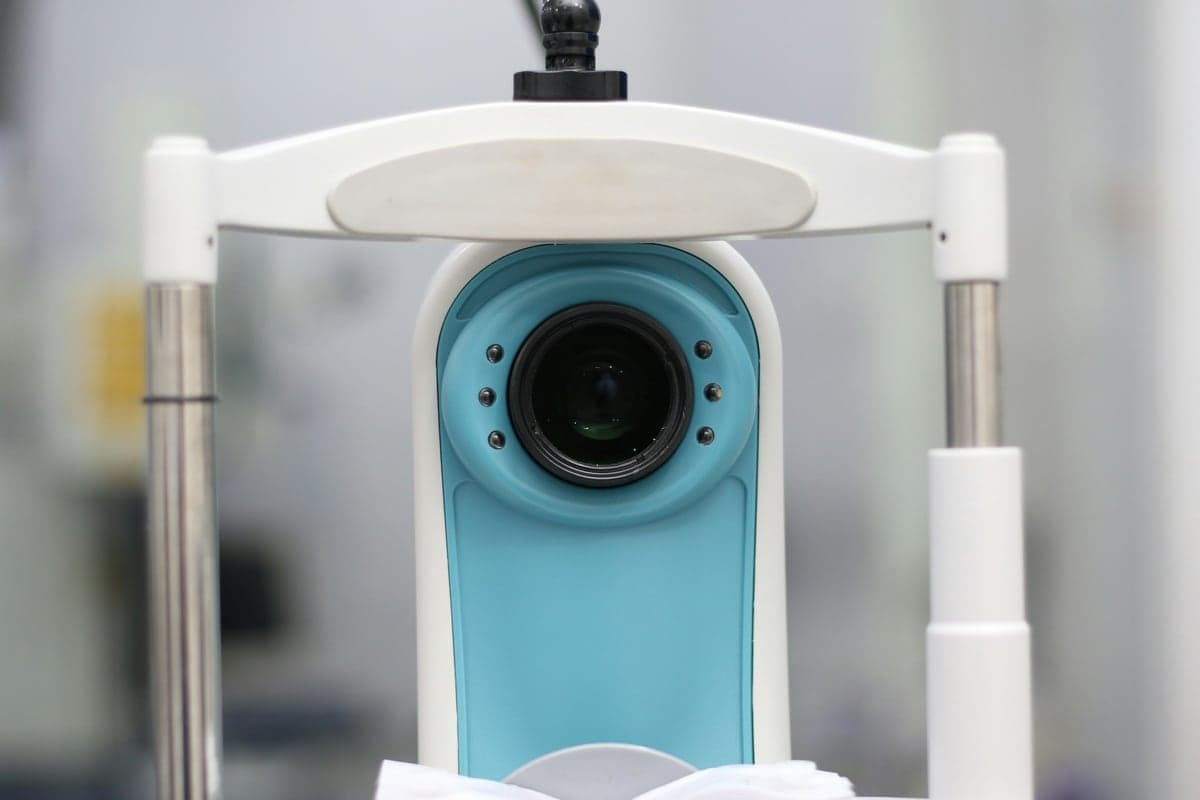
Screening is done by examining the baby's dilated eyes with special instruments, usually starting a few weeks after birth and repeated at intervals until the retina has finished developing. Depending on the stage and severity found, management may range from continued monitoring to laser photocoagulation, eye injections or surgery.
Recovery
Most babies who are screened and treated promptly go on to develop normal retinal blood vessels. Babies who needed treatment are followed up closely in the months afterwards, and all premature babies benefit from a routine eye check later in childhood.
Frequently asked questions
Does every premature baby need ROP screening?
Screening is recommended for babies born prematurely or with low birth weight, as advised by the treating paediatrician — ask your baby's doctor whether a referral is needed.
Is ROP screening uncomfortable for the baby?
The eyes are numbed with drops before the examination. A specialist instrument is used briefly to view the retina, and babies are closely monitored throughout.
Medically reviewed by Dr. Sweta Patro