What it is
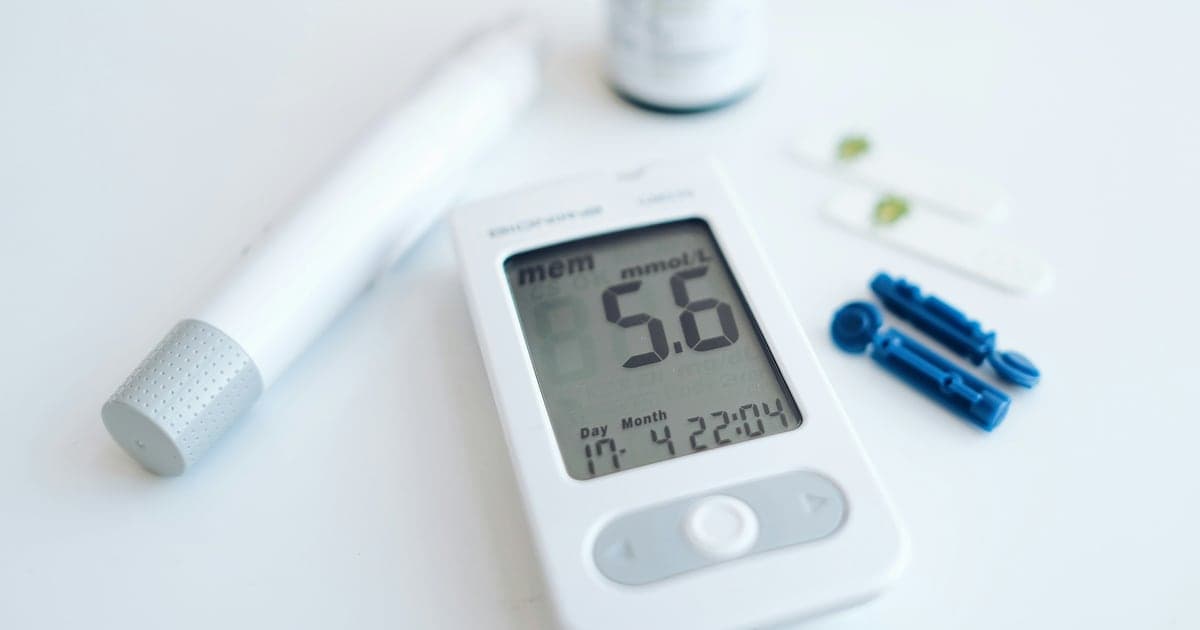
Diabetic retinopathy is damage to the tiny blood vessels of the retina, the light-sensitive layer at the back of the eye, caused by high blood sugar over time. The vessels may leak fluid, causing swelling at the centre of vision (called diabetic macular oedema), or fragile new vessels may grow and bleed. Early stages often cause no symptoms at all.
Who it's for
Everyone with diabetes should have a dilated eye check at least once a year, or as often as the doctor advises, even if vision seems normal. Seek care sooner if your vision becomes blurred or patchy, or you see new floaters (dark spots or threads).
What to expect
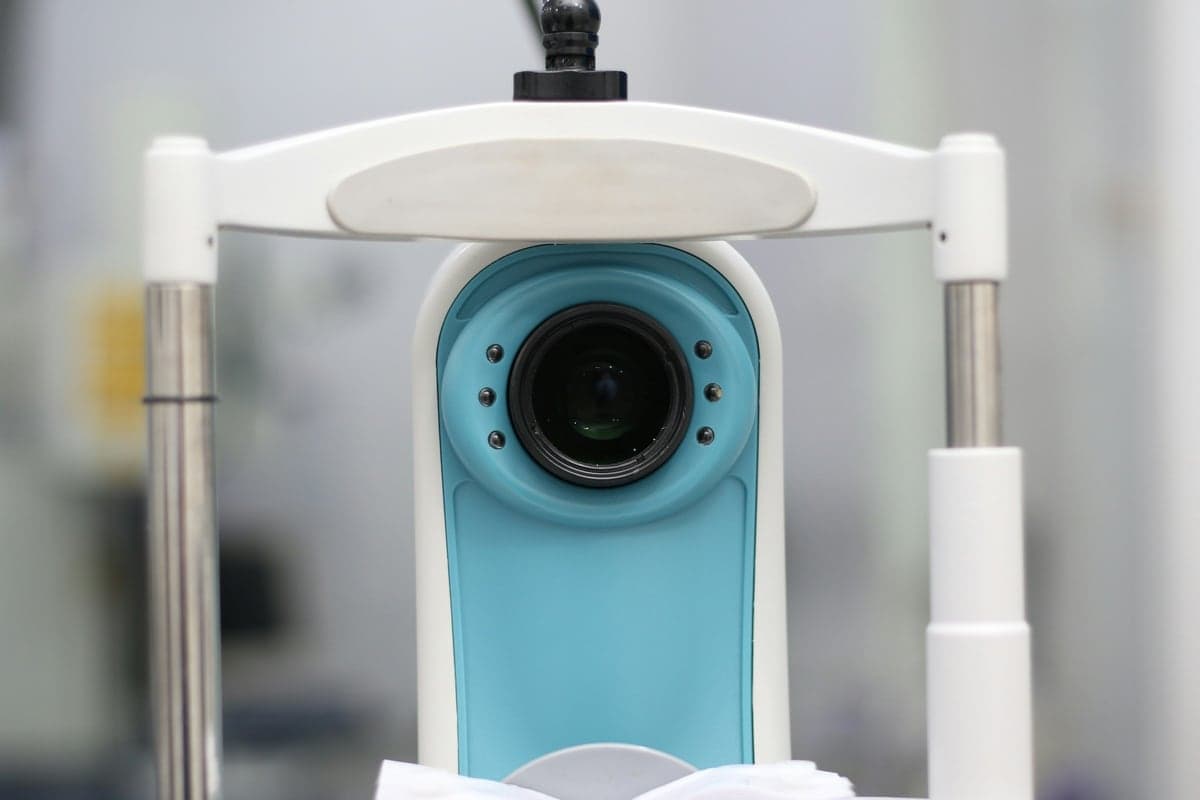
Dilating drops widen the pupil so the doctor can examine the retina, and an OCT scan checks for swelling. Treatment depends on the stage: better control of blood sugar, blood pressure and cholesterol with your physician; eye injections for macular swelling; PRP laser for abnormal new vessels; and surgery for advanced bleeding or retinal detachment.
Recovery
Dilating drops blur vision for a few hours, so bring someone with you and do not drive. Treatment often involves a series of visits. Keeping diabetes, blood pressure and cholesterol under control helps slow the disease.
Frequently asked questions
My vision is fine. Do I still need an eye check?
Yes. Diabetic retinopathy often has no symptoms until it is advanced. Regular checks find it early, when treatment works best.
Can the damage be reversed?
Treatment can reduce swelling and lower the risk of bleeding, but damage that has already happened may not fully recover. That is why early treatment matters.
Medically reviewed by Dr. Sweta Patro