What it is
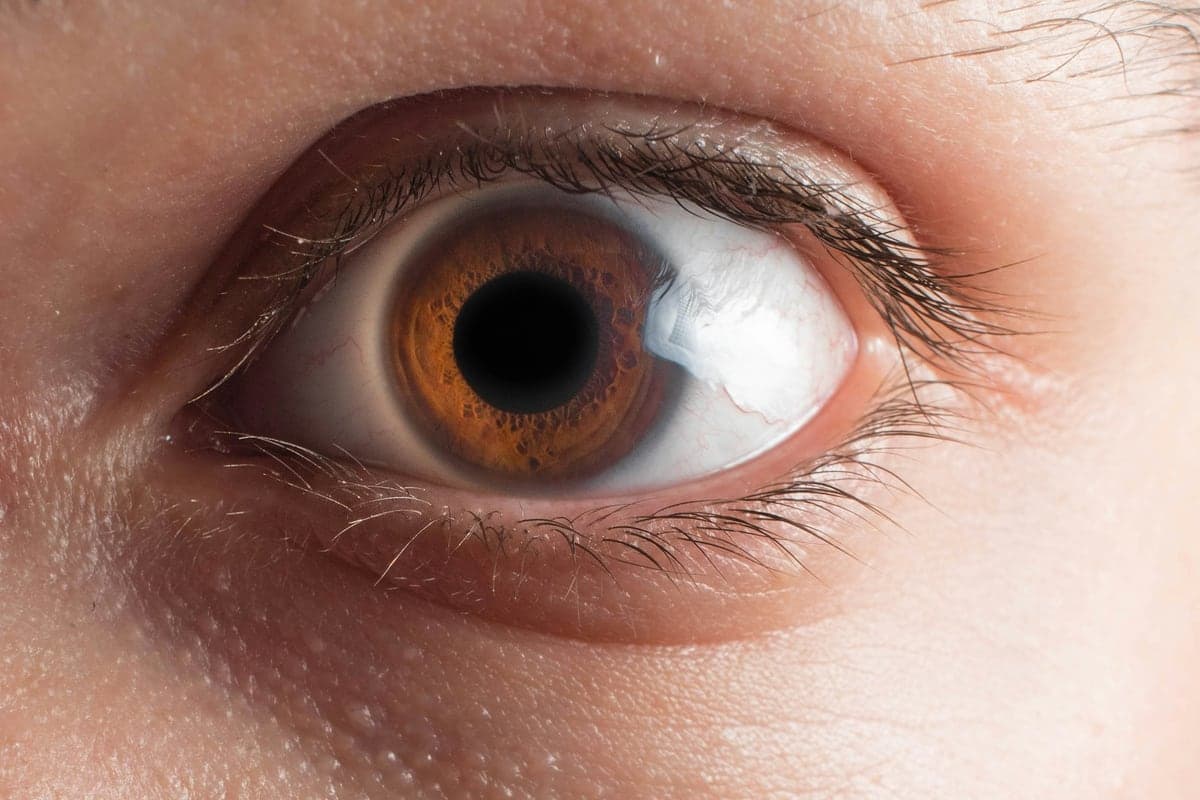
Glaucoma is a group of eye diseases that damage the optic nerve — the cable that carries images from the eye to the brain — often linked to raised pressure inside the eye. The damage usually happens slowly and without symptoms, and vision that has been lost cannot be restored. That is why early diagnosis matters. Management means lowering eye pressure and monitoring the optic nerve over time.
Who it's for
Anyone diagnosed with or suspected of having glaucoma, and people at higher risk: those over 40, with a family history of glaucoma, diabetes, high short-sight, long-term use of steroid medicines, or a previous eye injury. Regular eye check-ups are recommended for these groups even when vision seems normal.
What to expect
Tests include measuring eye pressure (tonometry), examining the optic nerve, a visual field test that maps your side vision, an OCT scan of the nerve fibres, and gonioscopy, which checks the eye's drainage angle. Treatment usually starts with daily eye drops. Laser treatment, such as YAG iridotomy for narrow drainage angles, or surgery, such as trabeculectomy, may be advised when needed.
Recovery
Glaucoma is a lifelong condition. Use your eye drops exactly as prescribed, every day, even when your eyes feel fine, and keep every follow-up appointment so your doctor can check that the pressure is controlled and the nerve is stable. Tell your doctor about any side effects instead of stopping the drops.
Frequently asked questions
Can glaucoma be cured?
Glaucoma cannot be cured, but it can usually be controlled. Treatment aims to prevent further loss of vision.
I have no symptoms. Do I still need treatment?
Yes. Glaucoma usually causes no symptoms until damage is advanced. Regular treatment and check-ups give the best chance of keeping useful sight.
Should my family members get checked?
Yes. Glaucoma can run in families, so close relatives — especially those over 40 — should have regular eye check-ups.
Medically reviewed by Dr. Sweta Patro