
Many eye problems are easy to treat when they are found early — and some of the most serious ones cause no pain or warning at all until vision is already damaged. Yet most of us only think about our eyes when something feels wrong.
So when should you see an eye doctor (an ophthalmologist)? This guide explains which symptoms are an emergency, which are worth booking a check-up for, and how often you should have your eyes examined even when everything seems fine.
See an eye doctor the same day if you notice
Some symptoms need urgent attention. If you notice any of the following, go to an eye hospital the same day — do not wait to see if it gets better.
- Sudden loss of vision in one or both eyes, even if it comes back.
- A curtain or shadow moving across part of your vision.
- A sudden shower of new floaters (dark spots or threads) or flashes of light. These can be signs of a retinal tear or retinal detachment, which needs prompt treatment to protect sight.
- Severe eye pain with a red eye, headache, blurred vision and coloured haloes around lights, sometimes with nausea or vomiting. This can be an attack of angle-closure glaucoma, which is an emergency.
- An injury to the eye — a blow, a cut, or anything that has hit the eye at speed.
- Chemicals in the eye. Rinse the eye immediately with plenty of clean water for at least 15 minutes, then come to the hospital.
- Sudden double vision, or a drooping eyelid that appears suddenly — these can be linked to nerve problems and need to be checked quickly.
Book a check-up soon if you have
These symptoms are not usually emergencies, but they should be checked by an eye doctor within days to weeks:
- blurred vision for distance or reading that does not improve with your current glasses
- glare, haloes or difficulty seeing while driving at night
- red, watery, itchy or sticky eyes that last more than a few days
- eyes that feel dry, gritty or tired most of the time
- frequent headaches after reading or screen work
- a watery eye that never stops, or a swelling near the inner corner of the eye
- an eyelid that is turning inward or outward, or eyelashes rubbing the eye
- changes in how colours look, or straight lines appearing wavy
Eye check-ups when you have no symptoms
Several serious eye diseases — including glaucoma and diabetic eye disease — develop silently. By the time you notice a problem, some vision may already be lost for good. Regular eye examinations find these problems early, when treatment works best.
As a general guide:
- Adults under 40 with healthy eyes: a check-up every few years, or sooner if you notice changes.
- Adults over 40: regular check-ups, as advised by your doctor. This is when reading difficulty (presbyopia) usually starts, and when the risk of glaucoma rises.
- Adults over 60: check-ups usually every year or two, as cataract, glaucoma and macular degeneration become more common.
- People with diabetes: a dilated eye check at least once a year, even if vision seems perfect.
Your doctor may advise more frequent checks if you have a family history of glaucoma, high short-sight, high blood pressure, or if you take steroid medicines long term.
Children's eyes
Children rarely complain about poor vision — they often do not know that what they see is not normal. Watch for:
- sitting very close to the TV or holding books near the face
- squinting, frequent eye rubbing or tilting the head to look at things
- one eye that turns in, out, up or down, even occasionally
- difficulty at school, or avoiding reading
- a white or unusual reflection in the pupil in photographs
A child with any of these signs should have an eye examination. A squint or unequal vision in young children can lead to a "lazy eye" (amblyopia), which is much easier to treat when found early.
What happens at an eye check-up?
A complete eye examination is simple and usually includes:
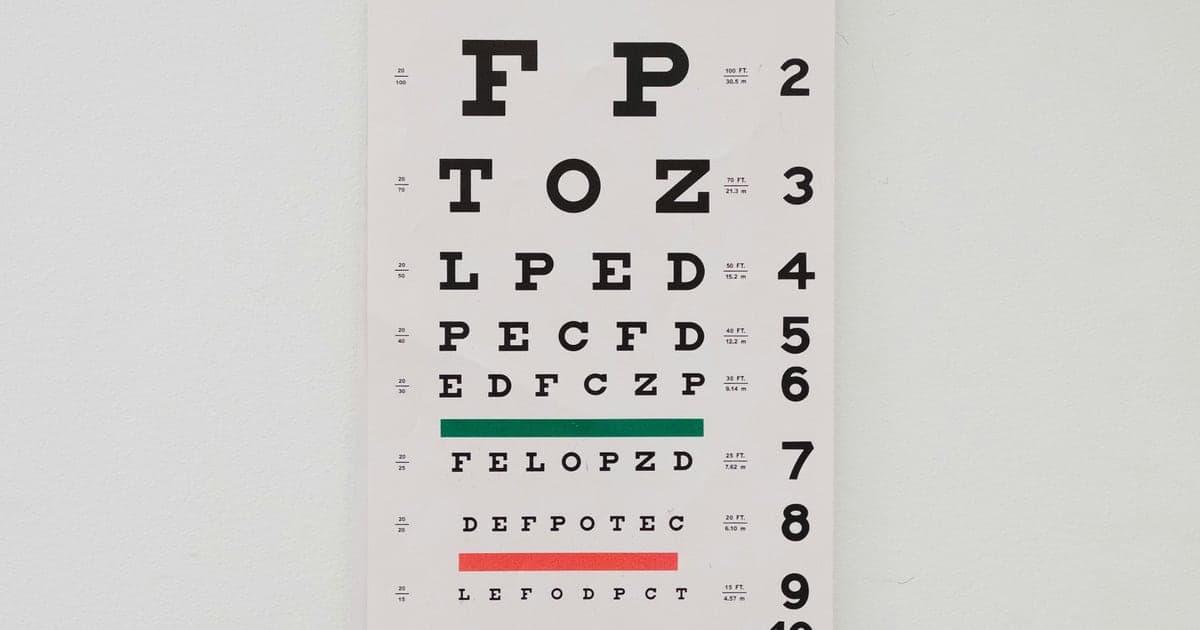
- a vision test with a letter chart, and checking whether you need glasses
- measuring the pressure inside the eye (an important test for glaucoma)
- examining the front of the eye with a microscope called a slit lamp
- examining the retina and optic nerve at the back of the eye, sometimes after dilating drops that widen the pupil
If needed, the doctor may suggest further tests such as an OCT scan, a quick, non-contact scan that takes detailed pictures of the retina and optic nerve.
If you are given dilating drops, your vision will be blurred and sensitive to light for a few hours afterwards — bring someone with you and do not drive.
Tips for your visit
- Bring your current glasses and any old prescriptions or eye reports.
- Bring a list of all the medicines you take, including eye drops.
- If you have diabetes or high blood pressure, bring your latest reports.
- CGHS beneficiaries: bring your CGHS card.
- Write down your symptoms and questions beforehand, so you don't forget them.
Don't wait for a problem
Good vision is easy to take for granted. A simple check-up can find problems before they affect your daily life — and for some conditions, it is the only way to protect your sight. If you are looking for an eye doctor in Berhampur, our ophthalmologists are here to help.
Medically reviewed by Dr. Sweta Patro