What it is
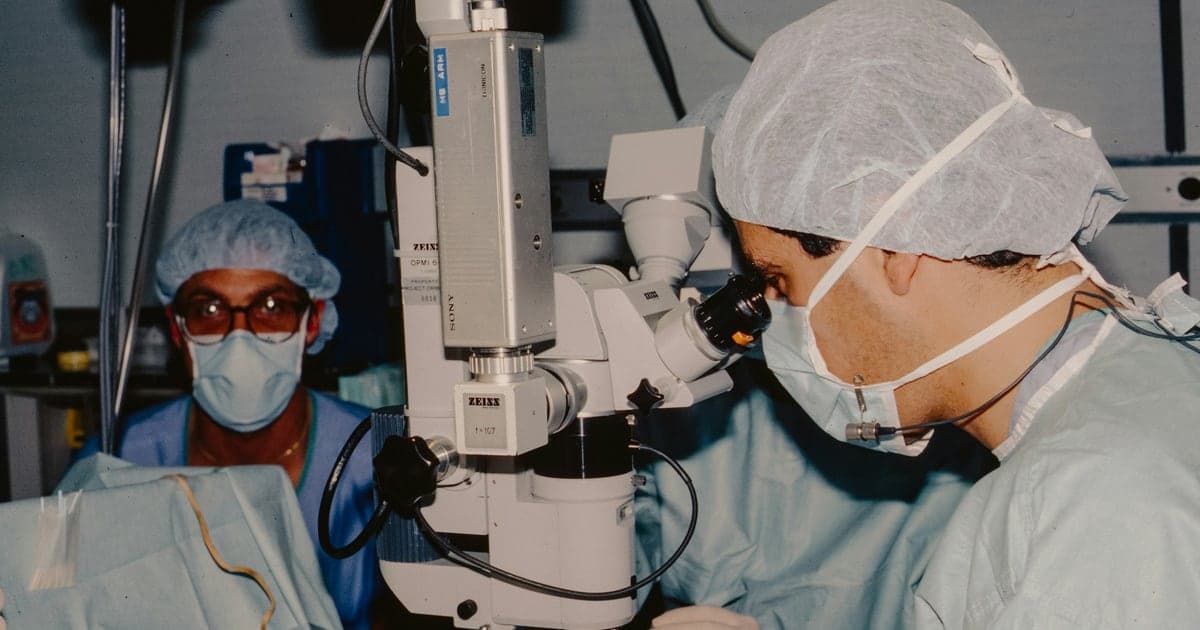
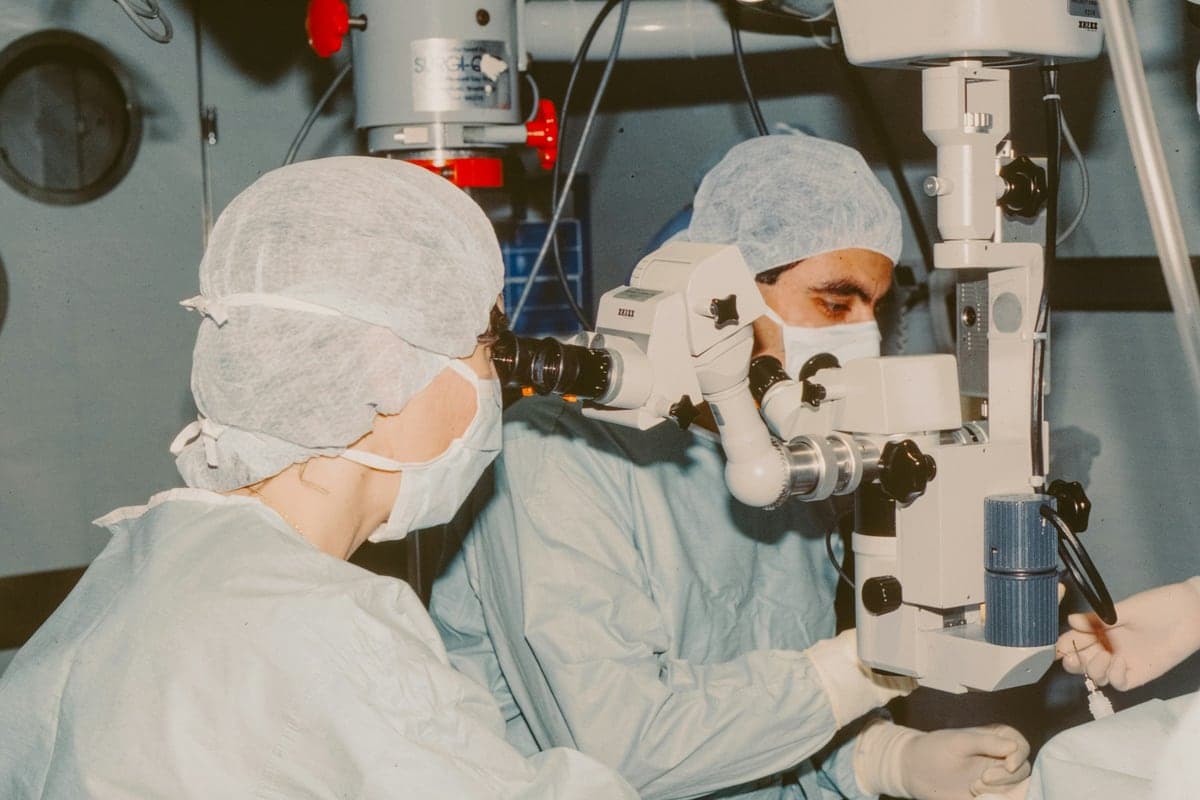
A cataract is clouding of the eye's natural lens, which sits behind the coloured part of the eye (the iris). Phacoemulsification, or “phaco”, is the most common way to remove it. The surgeon makes a small opening at the edge of the cornea (the clear front window of the eye), breaks the cloudy lens into tiny pieces using ultrasound, and gently removes them. A clear artificial lens, called an intraocular lens (IOL), is then placed where the natural lens was.
Who it's for
People whose cataract makes daily life difficult — reading, driving (especially at night), recognising faces or doing their work. Common signs are blurred or dim vision, glare around lights, faded colours and frequent changes in glasses power. Your doctor will examine your eyes and review your general health to decide whether and when surgery is right for you.
What to expect
Before surgery, your eye is measured to choose the right lens power, and you may be given eye drops to start at home. On the day, the eye is numbed with drops or a small injection, so you stay awake; most people feel only light pressure. The operation usually takes under half an hour, and most patients go home the same day with someone to accompany them.
Recovery
You will use prescribed eye drops for a few weeks and may wear a protective shield while sleeping for the first days. Avoid rubbing the eye, getting water or dust in it, and heavy lifting until your doctor says it is fine. Vision often improves within a few days, but full healing takes a few weeks, and you may still need glasses for some tasks. Contact the hospital straight away if you notice increasing pain, redness or a drop in vision.
Frequently asked questions
Do I have to wait for my cataract to “ripen”?
No. Modern cataract surgery does not need the cataract to become hard or “mature”. Surgery is usually considered once the cataract starts to affect your daily activities.
Will I still need glasses after cataract surgery?
It depends on the type of lens implant. A standard (monofocal) lens usually gives clear distance vision, and most people still need reading glasses. Your doctor will explain the lens options that suit your eyes.
Can both eyes be operated on together?
Usually one eye is done at a time, a few days or weeks apart, so the first eye can heal. Your doctor will plan the timing with you.
Medically reviewed by Dr. Sweta Patro