
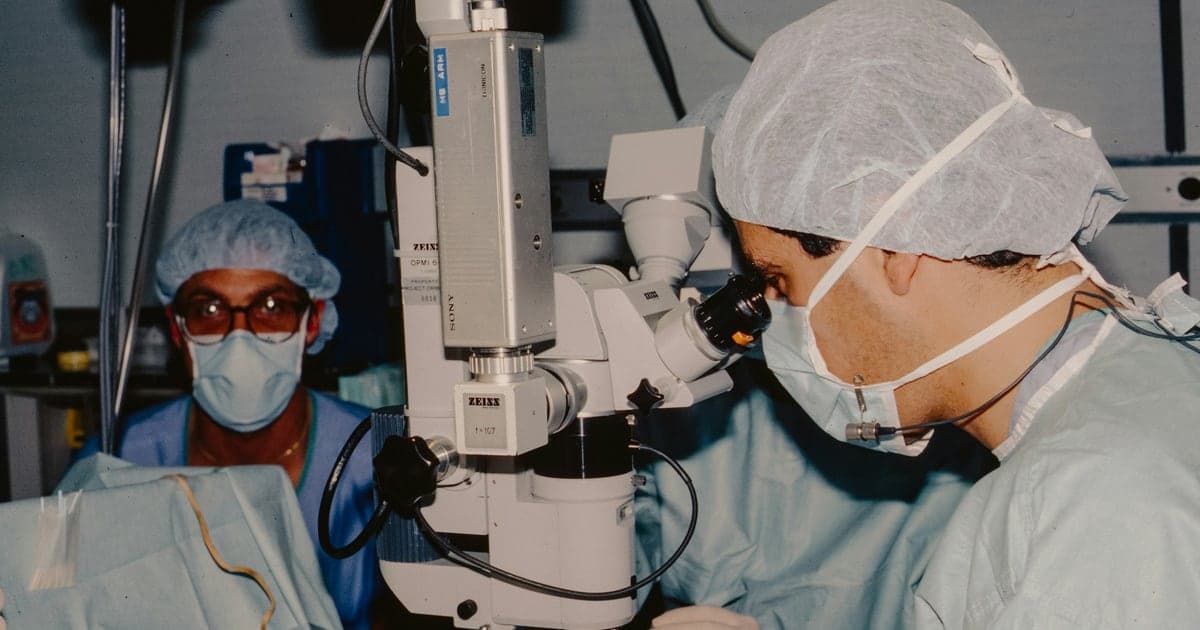
If you have been told you have a cataract, you are not alone. Cataract is one of the most common reasons people over 50 visit an eye doctor, and cataract surgery is one of the most frequently performed operations in the world. Knowing what happens — and what to expect afterwards — makes the whole experience far less worrying.
This guide explains cataract surgery in plain language, for patients and families considering cataract surgery in Berhampur and across South Odisha.
What is a cataract?
Inside your eye, just behind the coloured part (the iris), sits a clear natural lens. It focuses light onto the retina at the back of the eye, a bit like the lens of a camera. A cataract is when this lens slowly becomes cloudy.
A cloudy lens scatters light instead of focusing it. Common signs include:
- blurred, dim or "foggy" vision that glasses no longer fix
- glare or haloes around lights, especially when driving at night
- colours looking faded or yellowish
- needing a brighter light to read
- frequent changes in your glasses power
Cataracts usually develop with age, but they can also be linked to diabetes, long-term use of steroid medicines, eye injuries or too much sun exposure over the years.
Do I need surgery straight away?
Not always. In the early stages, updated glasses and better lighting may be enough. Surgery is usually recommended once the cataract starts to get in the way of daily life — reading, cooking, recognising faces, working or travelling safely.
You may have heard that a cataract must "ripen" before it can be removed. This is an old idea. Modern cataract surgery does not require the cataract to become hard or mature, and waiting too long can make the operation more difficult. Your doctor will advise you on the right time.
How is cataract surgery done?
The most common method today is phacoemulsification, usually called "phaco". You can read more on our phaco cataract surgery page. In simple terms:
- The eye is numbed with drops or a small injection, so you stay awake but comfortable.
- The surgeon makes a very small opening at the edge of the cornea (the clear front window of the eye).
- The cloudy lens is broken into tiny pieces using ultrasound and gently removed.
- A clear artificial lens, called an intraocular lens (IOL), is placed where the natural lens was. It stays in the eye permanently.
The operation itself usually takes under half an hour. Most people go home the same day.
Before surgery: the check-up
Before your operation, the eye is examined carefully and measured. These measurements decide the power of the lens implant, so that your vision is as clear as possible afterwards. Your doctor will also ask about your general health and medicines — for example, blood sugar control if you have diabetes, and any blood-thinning tablets you take. Do not stop any medicine unless your doctor tells you to.
This is also a good time to ask about the different types of lens implant. A standard (monofocal) lens usually gives clear distance vision, and most people then use reading glasses for close work. Your doctor will explain which options suit your eyes and lifestyle.
On the day of surgery
- Have a light meal unless you are told otherwise, and take your usual medicines as advised.
- Wear comfortable clothes and avoid face make-up.
- Come with a family member or friend who can take you home — you should not drive afterwards.
- Bring your reports, a list of your medicines and, if you are a CGHS beneficiary, your CGHS card.
After the operation, the eye is usually covered with a pad or shield. You will be given eye drops and clear instructions before you leave.
Recovery: caring for your eye
Most people notice their vision improving within a few days, although it can take a few weeks for the eye to settle completely. During this time:
- Use your eye drops exactly as prescribed. They prevent infection and reduce inflammation.
- Do not rub or press the eye. Wear the protective shield while sleeping for as long as advised.
- Keep water, soap and dust out of the eye for the first days. Wipe your face gently instead of splashing it.
- Avoid heavy lifting, bending with your head low and strenuous exercise until your doctor says it is fine.
- Keep all follow-up appointments, even if the eye feels good.
Mild grittiness, watering and some blur are normal at first. However, contact the hospital straight away if you have increasing pain, increasing redness, or a sudden drop in vision — these need to be checked urgently.
Will I need glasses afterwards?
It depends on the lens implant and your eyes. Many people see well at a distance without glasses after surgery but still need reading glasses. Your new glasses prescription is usually given once the eye has fully settled, a few weeks after surgery.
What if my vision becomes cloudy again later?
Months or years after cataract surgery, some people find their vision slowly becomes blurred again. This is usually not the cataract coming back — the natural "bag" that holds the lens implant can turn cloudy. It is a common change and is treated with a quick outpatient laser called YAG laser capsulotomy, with no cuts or stitches.
Taking the next step
If cataract is affecting your daily life, the first step is a detailed eye examination. Our eye doctors will check your eyes, explain whether surgery is right for you now, and answer your family's questions.
Medically reviewed by Dr. Sweta Patro