What it is
Pan-retinal photocoagulation (PRP) places many tiny laser spots on the outer parts of the retina. This reduces the signals that make abnormal new blood vessels grow — a condition seen in advanced (proliferative) diabetic retinopathy and after some retinal vein blockages. The aim is to shrink these fragile vessels and prevent bleeding and retinal detachment.
Who it's for
People with proliferative diabetic retinopathy, and some people with retinal vein occlusion, as advised by the doctor after a retina examination.
What to expect
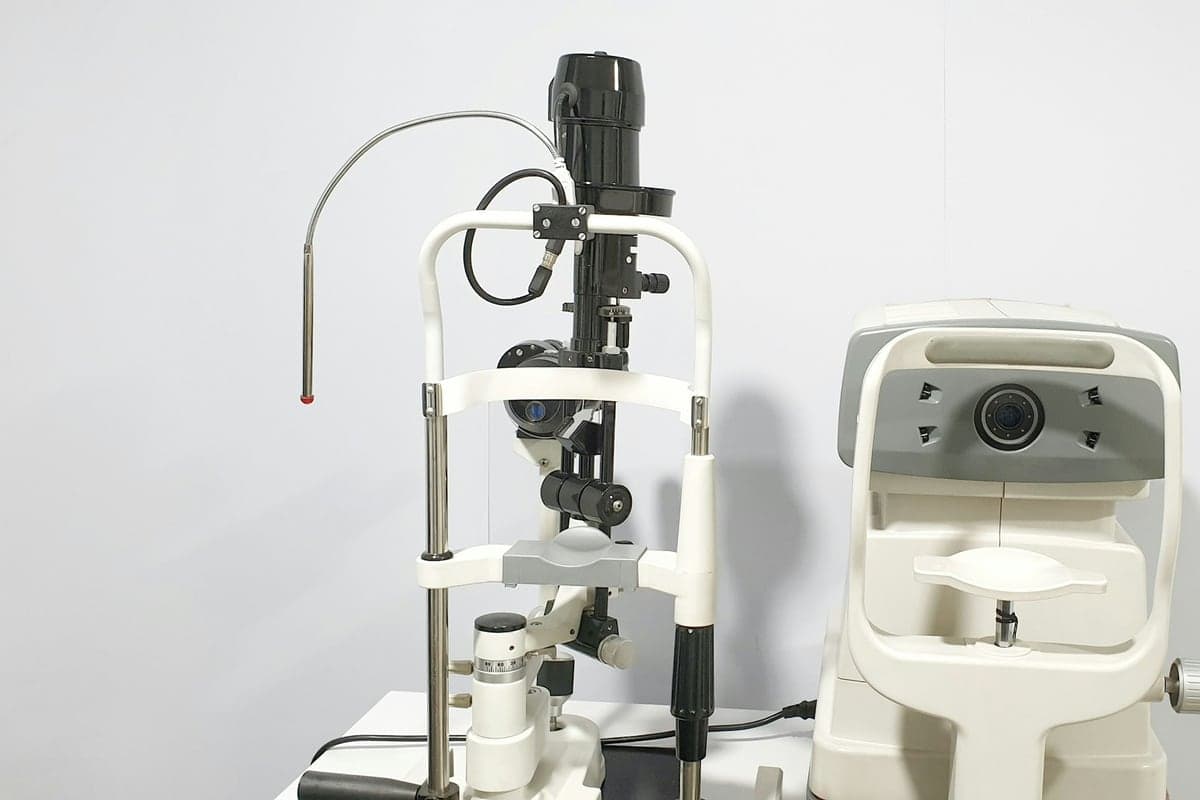
PRP is done in the outpatient clinic. Your pupil is dilated with drops, the eye is numbed, and a special contact lens is placed on the eye. You will see bright flashes of light and may feel some discomfort or aching. Treatment is often spread over more than one session.
Recovery
Vision may be blurred and glary for a few hours to a day, so come with someone who can take you home. Some people notice reduced side vision or night vision afterwards — a known trade-off to protect central vision. Regular follow-up visits are needed.
Frequently asked questions
Will PRP laser improve my vision?
PRP does not usually improve vision. Its purpose is to prevent further vision loss from bleeding or retinal detachment.
Medically reviewed by Dr. Sweta Patro